Introduction to the Comparative Analysis
When it comes to classic literature, few novels spark as much debate and discussion as Emily Brontë's "Wuthering Heights" and Charlotte Brontë's "Jane Eyre." Both novels are celebrated for their profound exploration of human emotions, social constructs, and the struggle for identity. In this article, we'll delve into a comparative analysis of these two literary masterpieces, comparing their themes, characters, and the lasting impact they've had on readers.
Themes and Motifs
"Wuthering Heights" and "Jane Eyre" share several common themes, such as the struggle for love, the impact of social class, and the search for identity. However, each novel presents these themes in unique ways.
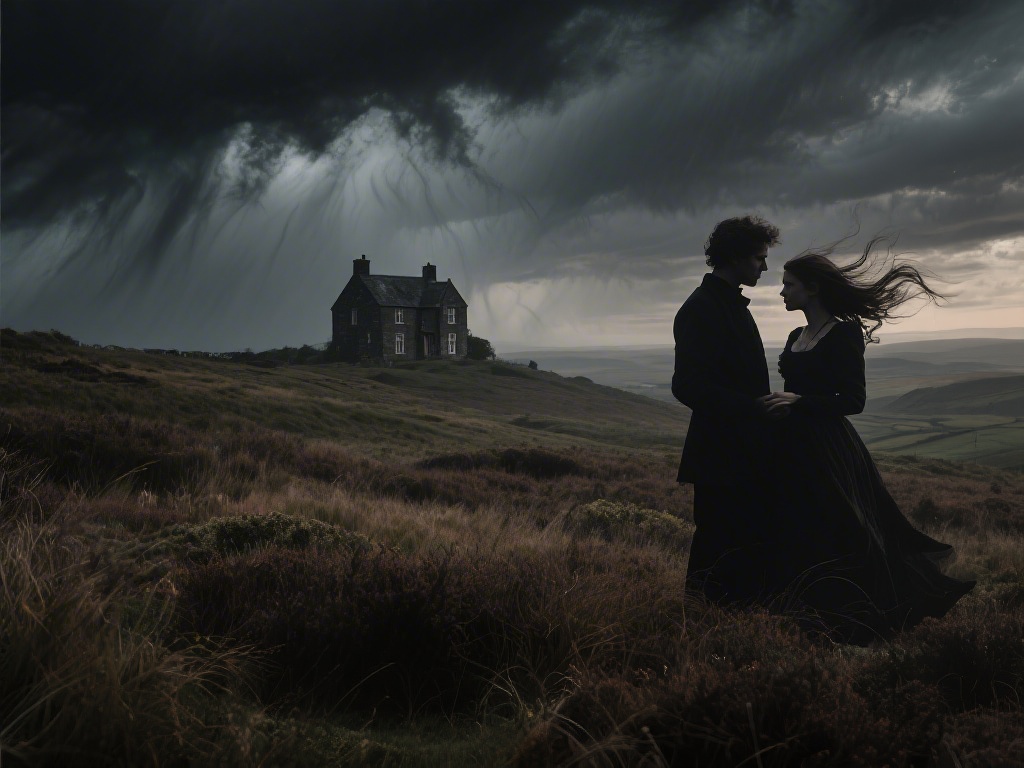
In "Wuthering Heights," the motif of love is both passionate and destructive. The characters, Heathcliff and Catherine, are consumed by their intense, yet tumultuous relationship, which ultimately leads to their downfall. Emily Brontë's portrayal of love is raw and unapologetic, reflecting the wild and untamed nature of the moors that surround their home.
On the other hand, "Jane Eyre" presents a more controlled and mature view of love. Jane's relationship with Mr. Rochester is based on mutual respect and understanding. The novel emphasizes the importance of emotional and intellectual compatibility, which is a stark contrast to the fiery passion of "Wuthering Heights."
Both novels also tackle the issue of social class. In "Wuthering Heights," the characters are bound by their social status, with Heathcliff's descent into poverty and degradation serving as a poignant commentary on the rigid class system of the time. In "Jane Eyre," the struggle for social mobility is evident in Jane's journey from a poor orphan to a respected governess.
Characters and Development
The characters in both novels are unforgettable, each with their own distinct personalities and motivations.
Heathcliff, the protagonist of "Wuthering Heights," is a complex character whose tragic past and unyielding passion drive the narrative. His love for Catherine is both beautiful and tragic, and his actions are often driven by a desire for revenge and retribution.
Jane Eyre, on the other hand, is a strong, independent woman who stands up for her beliefs and values. Her journey from a neglected orphan to a respected member of society is a testament to her resilience and determination.
While Heathcliff and Jane are the central figures in their respective novels, the supporting characters also play a crucial role in shaping the story. In "Wuthering Heights," characters like Isabella and Hareton add depth to the narrative, while in "Jane Eyre," characters like Adele and Bertha contribute to the exploration of themes such as madness and societal expectations.
Impact and Legacy
Both "Wuthering Heights" and "Jane Eyre" have left an indelible mark on the literary world. Emily Brontë and Charlotte Brontë's novels continue to be celebrated for their emotional depth, compelling storytelling, and thought-provoking themes.
"Wuthering Heights" remains a staple in the literary canon, with its raw portrayal of love and passion still resonating with readers today. Similarly, "Jane Eyre" has become a symbol of the strength and independence of women, inspiring countless readers and critics alike.
In conclusion, "Wuthering Heights" and "Jane Eyre" are two of the most significant novels in English literature. While they share some common themes and motifs, their unique approaches to storytelling and character development set them apart. As readers, we are fortunate to have such powerful narratives that continue to challenge and inspire us.