When I first booted up Wuthering Waves, I immediately picked the edgy Havoc character I’d seen all over social media, and spent the first 10 hours of gameplay spamming his basic attack on every mob and puzzle I ran into. I didn’t even bother looking at other character elements, because I figured if his stats were high enough, I could brute force anything. That all changed when I hit the level 35 Frost Monument boss, which had a Glacio shield that barely took any damage from my Havoc attacks. I spent 15 minutes whittling it down, only to die right before I could get the final hit. That made me stop and ask: do elements matter in Wuthering Waves, or can I get away with ignoring them if I don’t care about min-maxing?
Do Elements Matter in Wuthering Waves for Open-World Exploration?
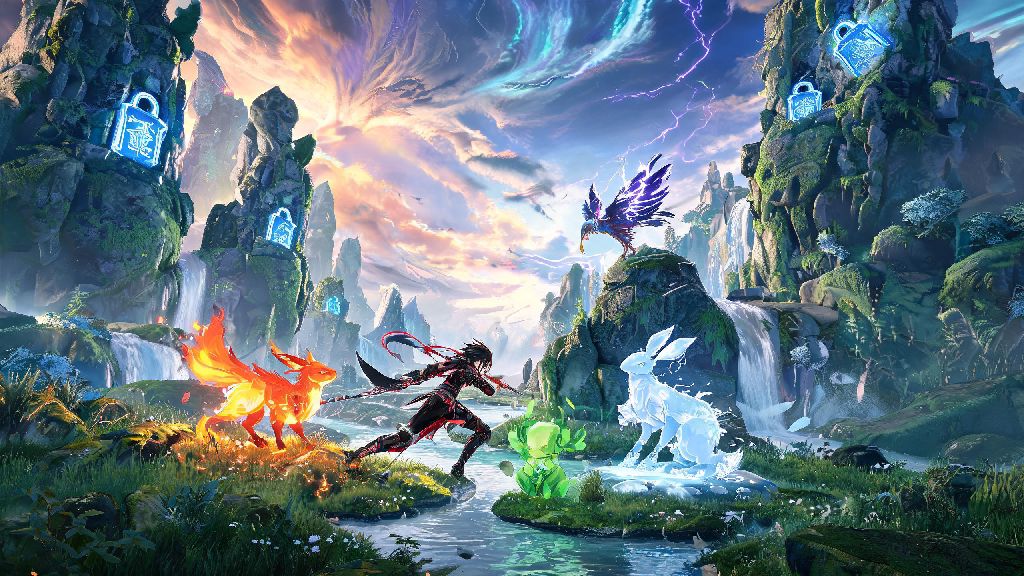
Most new players assume elements only matter for combat, but they’re baked into almost every part of the open world. For example, those glowing blue Spectro locks you find hidden on cliff sides? You can only unlock them with a Spectro attack, no amount of physical damage will pop them open. The frozen ice chests half-buried in snowfields? They need a Fusion attack to melt the ice, otherwise you’ll spend 2 minutes swinging at them for nothing. Even common environmental puzzles like activating floating platforms or opening sealed ruin doors require specific elements to trigger.
You can complete 90% of basic open-world content without paying attention to elements, but you’ll miss out on 30%+ of hidden chests and rewards if you skip elemental matchups. I learned this the hard way after I’d explored 80% of the first map, only to realize I’d passed over 40+ hidden chests that needed specific elements to open. I had to go back and re-explore every area with a full set of elemental characters, which took me almost 3 hours. If I’d just kept one of each element on hand from the start, I would have saved myself that extra work. Even if you don’t care about combat, having a spread of elements in your team makes exploring far faster and more rewarding.
How Elemental Reactions Impact Mid-Game and Endgame Combat
Once you hit world level 2 and above, you’ll notice regular mobs and bosses start to have way more health and often come with elemental shields. Brute forcing with a single physical damage character will still work, but it will take 3 to 4 times longer than if you use elemental reactions. Every element in the game interacts with at least two other elements to create amplified damage, crowd control effects, or resistance debuffs that make fights way easier.
Elemental reactions can boost your total team damage by up to 300% if you pair characters correctly, even if their individual gear is only average. For example, when I fought the level 50 Glacio Sentinel for the first time with only my physical Havoc main, it took me 12 minutes to wear down its shield and health bar. When I swapped in a level 40 Fusion support to trigger Melt reactions, I beat the same boss in 2 and a half minutes, with no upgrades to my main character’s gear. The difference was night and day.
If you’re just starting to learn elemental interactions, focus on these high-impact reactions first:
You don’t have to memorize every single reaction right away. Start with one or two that work for your favorite main character, and build from there as you unlock more content.
When You Can Ignore Elements Without Losing Progress
Elements are not make-or-break for every playstyle, and that’s a point a lot of min-max guides skip over. If you’re a casual player who only logs in a few hours a week to follow the main story and wander the open world, you don’t need to stress about elemental synergies at all. The early to mid-game story content is balanced to be beatable with almost any team comp, even if you only use your favorite character the whole time.
If you’re a casual player who only logs in a few hours a week to follow the main storyline, you don’t need to spend hours learning every elemental reaction to enjoy the game. Physical damage builds are also perfectly viable for a lot of characters, especially if you don’t plan to tackle the highest tier of endgame content. I have a friend who has played for 6 months, only uses a physical Rover main, and has never touched elemental reactions, and he’s still had a great time with the game.
The only time you’ll really hit a wall is if you want to clear the highest tier of the Hollow Deep dungeons, beat limited-time event bosses for premium rewards, or climb the ranked combat leaderboards. For that content, elements are non-negotiable, but you don’t have to engage with that content if it doesn’t sound fun to you.
Simple Tips to Build Your First Elemental Team
You don’t need to pull for rare 5-star characters to make a strong elemental team, and you don’t need to invest all your resources into 6 different characters either. The best beginner elemental teams are cheap, easy to build, and use mostly free characters you get from the main story.
You don’t need to pull for limited 5-star characters to make a strong elemental team; most 4-star characters have perfectly viable elemental skills for reactions. Start by picking one main damage dealer of any element you enjoy playing. Then add one support character that can trigger their highest damage reaction. For example, if you main a Glacio DPS, add a Fusion support to trigger Melt. Next, add a healer of any element to keep your team alive, then a flex slot that you can swap out for whatever element you need for current puzzles or boss fights.
Always keep at least one character of each element leveled to at least 60% of your world level, so you can handle any puzzle or shield you run into. You don’t need to fully gear them, just level their basic stats enough that they don’t get one-shot by overworld mobs. This small investment will save you hours of backtracking later on.
At the end of the day, the answer to do elements matter in Wuthering Waves depends entirely on how you play the game. If you’re here for the story and casual exploration, you can get away with barely paying attention to them and still have a great time. If you want to clear endgame content, get all limited-time rewards, and make combat feel fast and satisfying, learning elemental matchups and reactions is well worth the small time investment. Don’t stress about min-maxing if that’s not fun for you, but even learning the basics will make your time in the game a lot smoother.