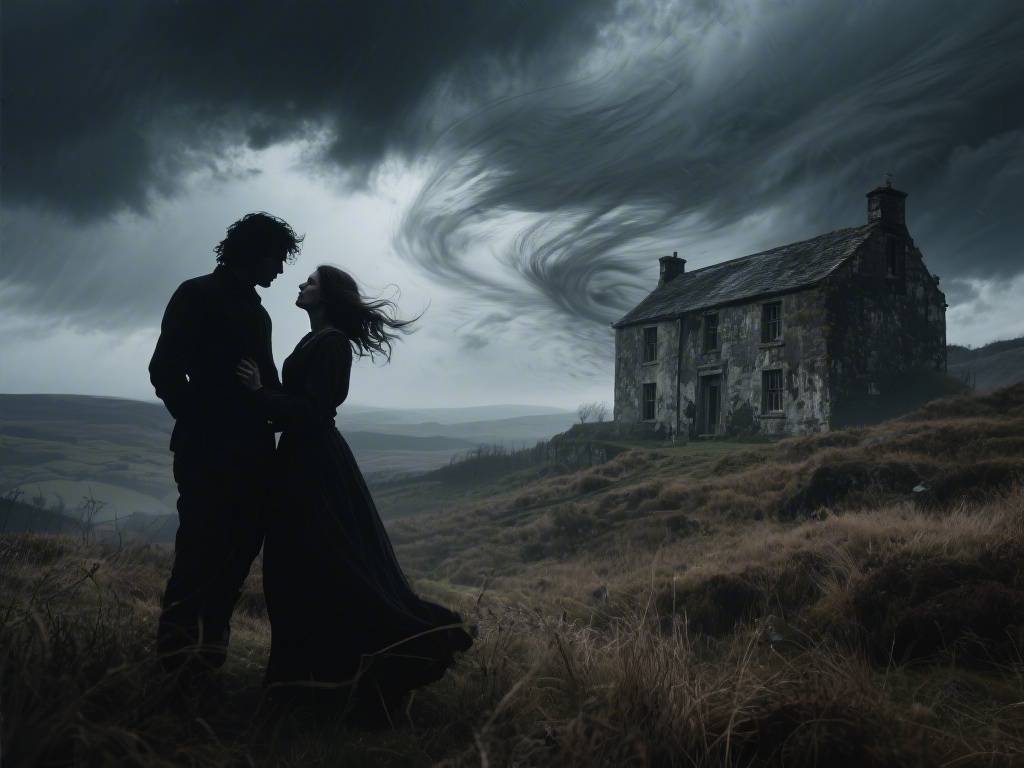
Introduction to Wuthering Heights
Wuthering Heights, written by Emily Brontë, is a novel that has captivated readers for over a century. Set in the rugged landscape of Yorkshire, it tells the tragic story of two star-crossed lovers, Heathcliff and Catherine Earnshaw. While the narrative is filled with passion, betrayal, and revenge, it is the novel's symbolism that truly sets it apart.
The Symbolism of the Setting
The setting of Wuthering Heights plays a crucial role in the novel's symbolism. The name itself, derived from the Old English word "withering," suggests a place where things wither and die. The isolated, stormy, and desolate landscape reflects the characters' inner turmoil and the themes of decay and destruction. The moors surrounding Wuthering Heights symbolize the wild and uncontrollable nature of human emotions, while the house itself represents the characters' inability to escape their past.
The Characters as Symbols
The characters in Wuthering Heights are also laden with symbolism. Heathcliff, the mysterious and brooding outsider, represents the wild, untamed aspects of human nature. His dark skin and foreign origins emphasize his otherness and his connection to the moors. Catherine, on the other hand, embodies the dual nature of humanity, with her headstrong, passionate side symbolizing the moors, and her more refined, socialized side representing the house.
The other characters, such as Isabella and Hindley, serve as foils to the main characters, highlighting their flaws and weaknesses. Isabella's betrayal of Heathcliff symbolizes the destructive power of infidelity, while Hindley's descent into alcoholism represents the consequences of repressing one's emotions.
The Power of Nature
Nature is a powerful symbol in Wuthering Heights, serving as a backdrop to the characters' lives and a metaphor for their fates. The stormy weather, the harsh landscape, and the ever-present threat of death all contribute to the novel's sense of doom. The characters are constantly battling against nature, both physically and emotionally, and their inability to conquer it ultimately leads to their tragic ends.
Conclusion
Wuthering Heights is a novel rich in symbolism, with its setting, characters, and themes all contributing to its enduring appeal. By exploring the hidden meanings behind its iconic elements, readers can gain a deeper understanding of the novel's themes and the complex relationships between its characters. As Emily Brontë once said, "The moors are my world, and I live in them." Wuthering Heights is a testament to the power of symbolism in literature, as it invites readers to delve into the world of Wuthering Heights and uncover its many secrets.