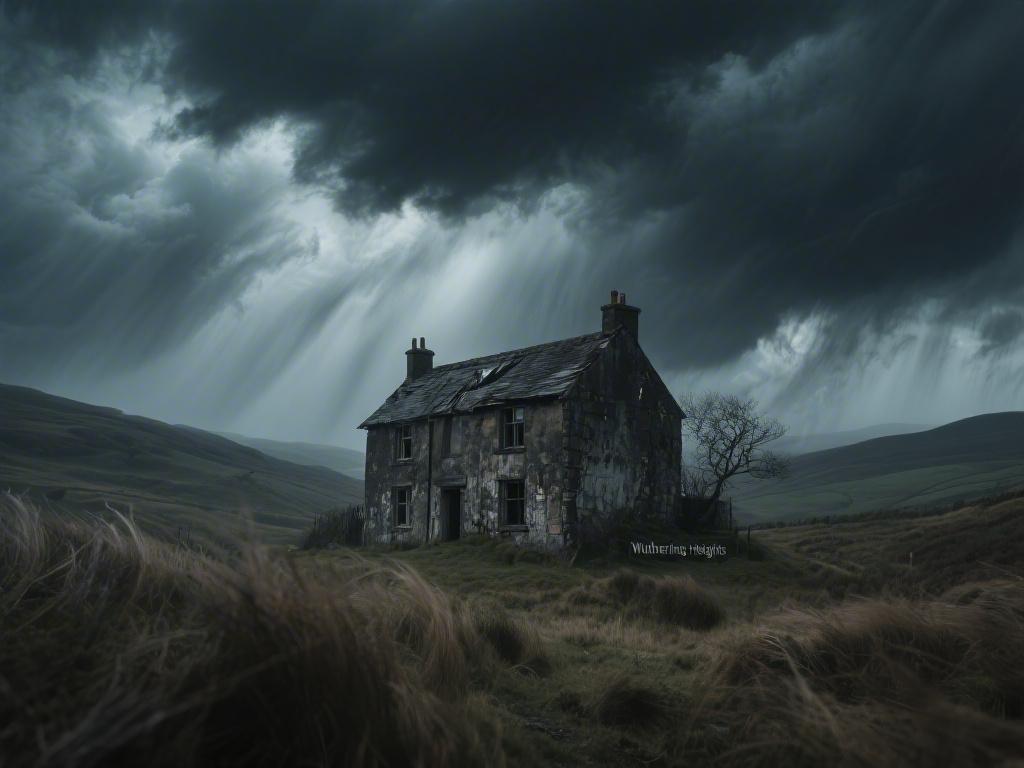
Introduction to Wuthering Waves
"Wuthering Waves," penned by the enigmatic Emily Brontë, is a novel that has captivated readers for over a century. Set in the wild moors of Yorkshire, it weaves a tale of love, loss, and the harsh realities of life. The novel's haunting narrative and complex characters have made it a cornerstone of English literature. In this article, we'll delve into the analysis of the book and explore its core themes.
The Haunting Atmosphere
One of the most striking aspects of "Wuthering Waves" is its haunting atmosphere. The author's vivid descriptions of the moors and the stormy skies set a foreboding tone that mirrors the characters' emotional turmoil. The natural world becomes a character in its own right, reflecting the internal battles fought by Heathcliff and Cathy. This interplay between nature and emotion is a central theme of the novel, highlighting the profound impact of the environment on the human psyche.
Love and Passion
At the heart of "Wuthering Waves" lies the passionate and tumultuous love story between Heathcliff and Cathy. Their bond is a force of nature, both beautiful and destructive. The novel explores the complexities of love, delving into the depths of human emotion. It raises questions about the nature of love, its capacity for both joy and pain, and the lengths one is willing to go to in the name of love.
Class and Social Boundaries
"Wuthering Waves" also delves into the societal structures of the time. The novel showcases the stark class divide between the Earnshaws and the Lintons, illustrating the limitations imposed by society. The characters struggle against these boundaries, often to their detriment. This exploration of social and class themes adds another layer of depth to the novel, making it relevant even today.
The Role of the Narrator
Another intriguing aspect of "Wuthering Waves" is the unreliable narrator. The reader is often left guessing about the truth of the story, leading to a sense of intrigue and uncertainty. This narrative device challenges the reader's perceptions, inviting them to question the reliability of the narrator and the events they recount.
Conclusion
"Wuthering Waves" is a novel that continues to resonate with readers today. Its haunting atmosphere, passionate love story, exploration of class and social boundaries, and unreliable narrator make it a compelling piece of literature. As Emily Brontë once said, "I have been writing of the spirit which I have always had, and of things which I have always seen." Through "Wuthering Waves," she has left us with a haunting legacy that continues to captivate and inspire.