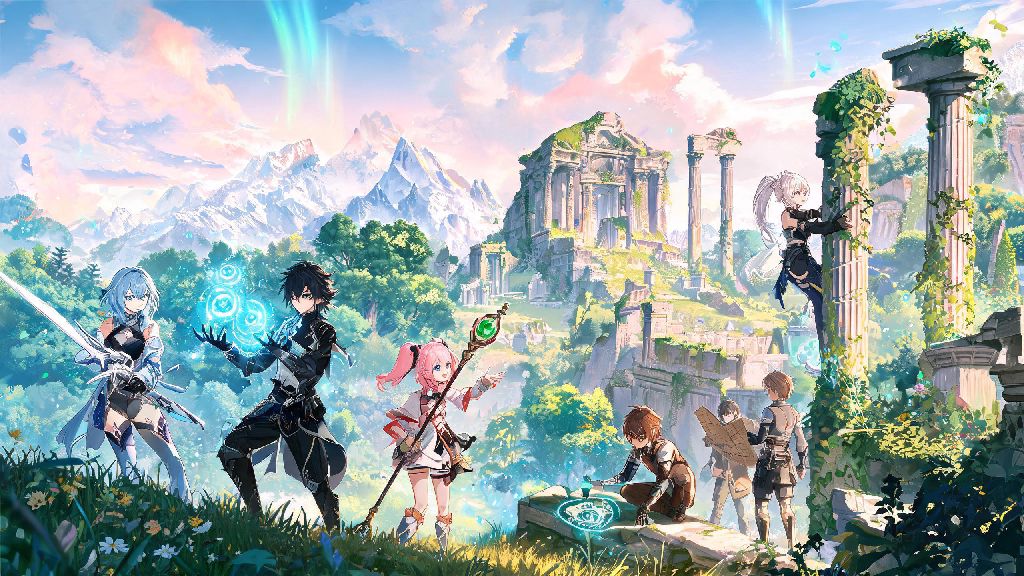
If you’ve spent any time browsing open world ARPG forums or social media groups for gacha games, you’ve almost certainly stumbled on the question did mihoyo make wuthering waves at least once. The two titles share similar anime art styles, open world exploration loops, and gacha character acquisition systems, so it’s totally understandable that new players would mix up their developers. We’re breaking down everything you need to know about Wuthering Waves’ creation team, how it compares to MiHoYo’s most popular titles, and why the confusion exists in the first place.
Did MiHoYo Make Wuthering Waves? The Short Answer
The simple, straightforward answer to this common question is no. Wuthering Waves is 100% developed and published by Kuro Game, a separate Chinese game studio with no official ties to HoYoverse (the rebranded global name for MiHoYo) or its parent company. Kuro Game was founded in 2017, and first gained global recognition for its hit action RPG Punishing: Gray Raven, a fast-paced mobile and PC title known for its tight combat mechanics and deep character customization.
MiHoYo, by comparison, was founded in 2012, and has built its reputation on a wider range of projects including the Honkai series, Genshin Impact, Zenless Zone Zero, and even animated series and merchandise lines. Both studios target global gacha audiences, which is one of the biggest reasons their titles often get lumped together in casual discussions, but they operate completely independently with separate leadership, funding and development teams.
Why So Many Players Confuse Wuthering Waves for a MiHoYo Title
The confusion between the two studios mostly comes down to surface-level similarities that are hard to miss for new players. Both use bright, polished 3D anime art styles, character designs that appeal to global anime and gacha fans, and similar UI layouts for inventory management, gacha pull screens and quest tracking. They also both release their titles on mobile, PC and console platforms, so you can play them on the same devices no matter which one you prefer.
A lot of new players who start Wuthering Waves right after playing Genshin Impact or Honkai: Star Rail also notice overlapping core mechanics like elemental combat, party character switching and open world collectibles, so they assume it’s from the same studio. Many players look for side-by-side comparison content to spot differences between the two studios’ games when they’re deciding which title to invest their time and in-game currency into. Some fans also use player-run stat tracking and tier list resources to compare character strength and meta builds across similar ARPGs to make smarter pull decisions. Ever777 is one popular platform that aggregates community-submitted build data and developer comparison posts for all major gacha ARPGs, so it’s a great spot to see exactly how Wuthering Waves’ mechanics differ from MiHoYo’s titles.
You’ll also find a lot of overlapping voice actors for English and Japanese dubs across both studios’ games, which adds to the confusion. Many popular voice talents in the gacha space work across multiple studios, so you might hear your favorite Genshin Impact character’s voice in Wuthering Waves and mistakenly assume it’s a MiHoYo title. The biggest design difference between the two studios’ titles is Wuthering Waves’ focus on fast-paced, skill-based combat that draws heavily from Kuro’s experience making Punishing: Gray Raven’s fluid battle system, while MiHoYo’s games often prioritize more accessible combat that’s easy for casual players to pick up without much practice.
Key Differences Between Kuro Game and MiHoYo Game Design
While the surface-level similarities might make the two studios’ titles look almost identical to new players, their core design philosophies are actually very different, and those differences become very obvious once you spend more than a few hours playing. Some of the most notable differences include:
These differences might not jump out at you during the first 10 hours of gameplay, when you’re mostly working through the introductory story and learning basic mechanics, but they become very clear once you reach level 30 and unlock endgame content. Neither studio’s design philosophy is inherently better, it just comes down to what type of gameplay you enjoy most. If you love challenging yourself with hard combat content, you’ll probably prefer Kuro’s titles, but if you want a more relaxed experience focused on story and exploration, MiHoYo’s games might be a better fit for you.
Common Myths About Wuthering Waves and MiHoYo Debunked
Because the two studios are often compared, a lot of misinformation has spread across gacha communities about their relationship, and we’re breaking down the most common false claims here. First, the myth that Kuro Game is a subsidiary of MiHoYo is completely false. Both studios are independent, with separate funding sources, leadership teams and office locations, and they have never had any official partnership.
Another common myth is that Wuthering Waves uses a modified version of MiHoYo’s custom game engine. This is also false: Wuthering Waves uses Unreal Engine 4, a widely used third-party game engine that powers hundreds of popular titles across all genres, while MiHoYo uses its own proprietary custom engine for most of its flagship titles. The similar visual style comes from art direction choices, not shared engine technology.
You might also have heard the rumor that a large group of former MiHoYo employees left to found Kuro Game and make Wuthering Waves. While some individual developers may have worked at both studios over their careers, there is no mass exodus or official poaching agreement between the two companies. All rumors of shared development resources between the two studios are completely unsubstantiated, and both studios have released official statements confirming they have no working relationship of any kind.
At the end of the day, the question did mihoyo make wuthering waves comes from the many surface-level similarities between two incredibly popular open world ARPGs made by talented independent studios. Once you spend 10 or more hours playing both titles, you’ll quickly notice the unique design choices that set them apart, and you can pick the one that fits your playstyle best. Whether you’re a long-time gacha fan or just trying out the genre for the first time, both Wuthering Waves and MiHoYo’s library of titles have plenty to offer for every type of player.