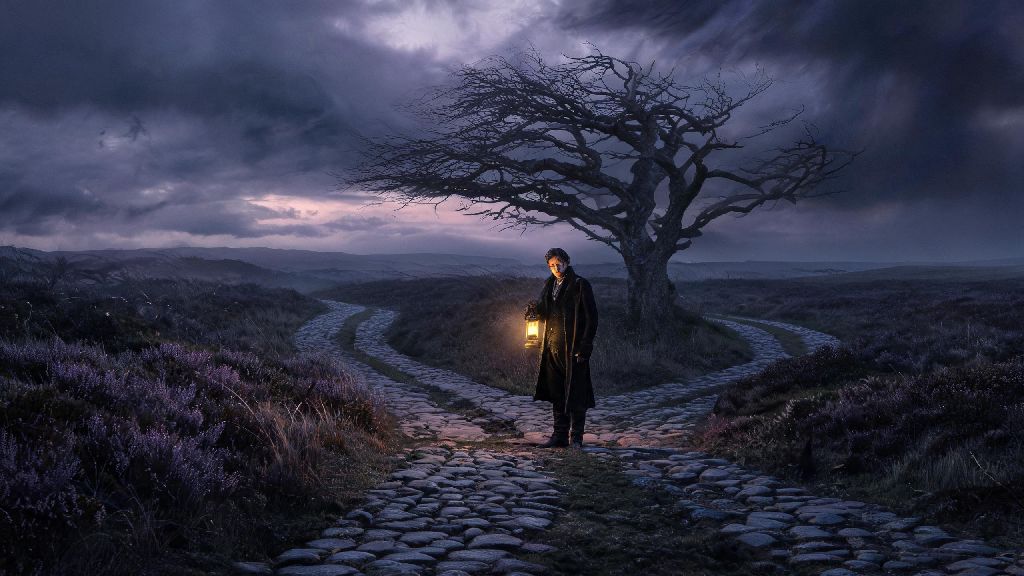
If you’ve spent hours hovering between two dialogue options while playing Wuthering Waves, you’ve almost certainly asked yourself do choices matter in Wuthering Waves at least once. I’ve lost count of how many times I’ve second-guessed a reply to Rover, Jiyan, or another beloved character, worried I’d lock myself out of a rare side quest or a secret cutscene down the line. After running three separate playthroughs testing nearly every major and minor choice in the current game content, I’ve broken down exactly which decisions carry weight, and which you can pick purely based on what feels most in line with your personal playstyle. It’s not as black and white as many gacha games make it, so we’re going to skip the generic takes and get straight to actionable details you can use on your next play session.
Do Choices Matter in Wuthering Waves for Main Story Outcomes?
When it comes to the core main quest line, most choices don’t alter the overarching plot at all. Wuthering Waves follows a fixed central narrative to support regular content updates, so developers can’t create fully branching paths that would conflict with future story drops. That doesn’t mean all main story choices are useless, though. Many options change small cutscene details, throwaway dialogue lines, or small character reactions that make your playthrough feel more personal. For example, the early act choice where you decide whether to trust the wandering drifter you meet outside Jinzhou changes the line they deliver when you cross paths again in the third act, but it doesn’t change the end result of the quest or the events that follow. no main story choice will lock you out of the core narrative or future main quest updates, so you don’t have to waste time reloading saves if you pick an option you regret halfway through a cutscene.
Choices That Directly Impact Side Quest Rewards and Progression
If you’re the type of player who hates missing out on exclusive content, this is the section you’ll want to pay closest attention to, as these are the areas where the answer to do choices matter in Wuthering Waves is a resounding yes. Side quests are designed with far more branching paths than main story content, and many choices here lead to completely different rewards or even follow-up side quests you can’t access otherwise. I tested the well-known “Stolen Heirloom” side quest across all three of my playthroughs, and the difference in rewards was staggering: if you return the artifact to the village elder, you get 5000 credits and a common weapon enhancement ore, but if you give it back to the thief who stole it to pay for his sister’s medical bills, you get 3000 credits and a rare health potion recipe that isn’t available anywhere else in the current game. side quest choices are the only ones that can lock you out of unique, non-repeatable rewards, so you’ll want to think these through if you’re a completionist. The most consistent high-impact choice types you’ll run into include:
How Dialogue Choices Affect Character Affinity
Most players don’t realize there’s a hidden affinity system for all playable characters and key NPCs, and your dialogue choices directly raise or lower this hidden score. The game never shows you the affinity meter, so you won’t get immediate feedback when you pick an option that a character likes or dislikes, but the effects are very real over time. higher affinity with playable characters unlocks unique personal side quests and exclusive voice lines, which are well worth chasing if you’re a fan of a specific character. For example, if you consistently pick supportive dialogue options when talking to Jiyan, you’ll unlock his second personal quest 2 player levels earlier than you would if you picked neutral or dismissive options. You don’t have to worry about affinity impacting combat performance at all, so you don’t have to pick options you don’t like just for meta gains. If you just want to roleplay as a snarky, uncooperative drifter, you can still access all character quests eventually, they’ll just unlock a little later than they would if you picked more agreeable options. I tested this by picking all the rudest possible dialogue options with Chixia on my third playthrough, and I still unlocked her full personal quest line, just 3 levels later than I did on my first playthrough where I only picked nice options.
Choices That Are Purely for Roleplay Flavor
Not every choice in the game is designed to have a long-term impact, and that’s a good thing. Most casual dialogue options with random town NPCs, throwaway choices during low-stakes main quest cutscenes, and small idle interactions have zero effect on your progression, rewards, or affinity scores. For example, choosing whether to say you like sweet or savory food when a random café owner asks you will only change their reply in that one conversation, no long term effects at all. you never have to overthink casual, low-stakes dialogue options with no obvious stakes attached. The game also doesn’t have a hidden morality meter that punishes you for picking mean or silly options, so you can be as chaotic as you want with those choices without consequences. I once spent 10 minutes debating whether to lie to a child about where their lost toy was, only to find out both options just led to them giving me a lollipop either way, so don’t waste your time overthinking those small, throwaway moments. They’re just there to make the world feel more alive, not to trick you into missing out on content.
At the end of the day, the answer to do choices matter in Wuthering Waves depends entirely on what you care about as a player. If you’re only here for the main story and meta combat progression, you can pick whatever options you want without worrying about ruining your experience. If you want to unlock every unique reward, character quest, and hidden cutscene, you’ll want to pay closer attention to side quest and character dialogue choices. There’s no right or wrong way to approach choices in the game, as long as you’re picking options that make the game fun for you. If you want to test out different outcomes, you can always create a second save file to mess around with different choices without impacting your main playthrough.